THE RIGHT RESERVE IS FOOD YOUR HOUSEHOLD CAN USE—NOT FOOD THAT LOOKS IMPRESSIVE.
A headline warns that supermarket supplies might be disrupted, so someone buys twenty tins of a food their family rarely eats. Months later the tins are still there, cupboard space is gone and the normal food budget is tighter. That is not necessarily better preparation. The useful question is: what small, practical reserve would fit the household's real eating habits, storage space and finances—without contributing to shortages through panic buying?
This guide explains what to stock up on for a possible food shortage without wasting money. It offers a gap-first shopping method, unit-price comparison, portion arithmetic and food-rotation rules.
The British Red Cross's updated household guidance emphasises checking what you already own and adding a useful item gradually rather than making a large, expensive purchase. Its emergency-kit advice specifically says preparations should not cause panic buying or shortages. That makes a sensible foundation for a budget-first plan.
Stock up on meals you actually use, not on products that look dramatic
Start with seven ordinary meals your household already enjoys. Write down their ingredients, then identify which items are shelf-stable and routinely purchased. A modest extra quantity of those ingredients is easier to rotate and less likely to be discarded than an unfamiliar specialist product.
A household that frequently eats bean dishes may already have tins of beans, pulses, sauces and suitable grains. Another family might use oats, canned fruit and different protein foods. Neither needs the exact same cupboard. Special dietary needs and allergies override any generic item list.
If the main concern is losing electricity for three days, favour food that can be eaten safely without heat; see our no-cook 72-hour menu. If the concern is only fewer shopping trips while the utilities still work, a different mix of everyday long-life groceries may be sufficient.
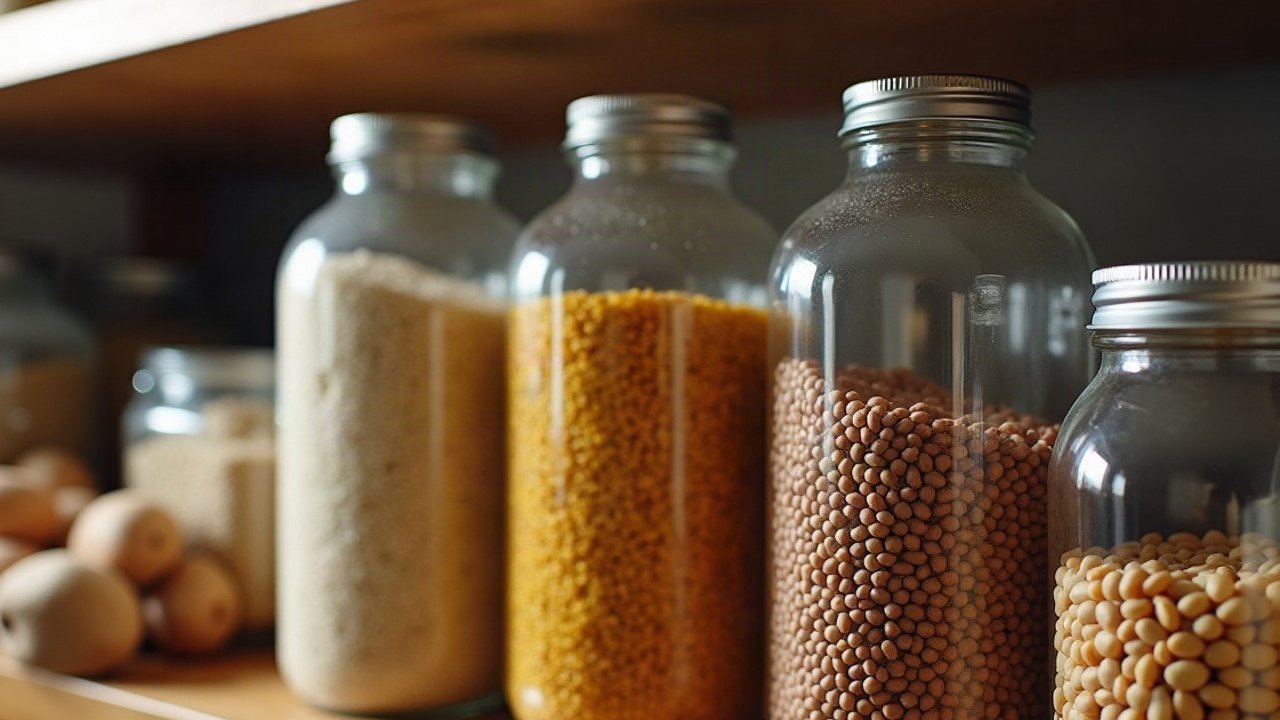
The cupboard audit comes before the shopping basket
Take everything out of the intended storage space or inspect it shelf by shelf. Note quantities, condition, use-by or best-before dates, and whether products need heating, water or refrigeration. Count usable portions, not just containers. If you already have enough of a category, there may be no reason to buy more.
| Inventory question | What to record | Buying decision |
|---|---|---|
| What do we regularly eat? | Meal names and familiar ingredients | Buy only appropriate extras for real meals |
| How many portions exist? | Pack sizes and actual serving needs | Fill missing meals, not empty shelf space |
| Can it be used if utilities fail? | Cooking, drinking water and refrigeration requirements | Choose food for the scenario, not its packaging |
| Will it be eaten in normal life? | Whether the family likes it | Avoid goods likely to be thrown away |
| Can it be stored safely? | Heat, damp, pests and date concerns | Don't exceed reliable storage capacity |
One missing main meal or vital dietary item matters more than having a symmetrical row of tins. Keep the audit simple enough that you will repeat it.
Choose a modest target instead of buying an arbitrary quantity
For a starting point, some people may find three days of familiar long-life food useful. Others might explore seven days, depending on finances and circumstances. There is no universal need to store months of food. The British Red Cross offers an initial three-day planning framework without presenting it as a compulsory stockpile.
The basic arithmetic is straightforward: people × meals per day × days. For two adults, three meals per day for three days means eighteen person-meals. That does not determine portions or nutritional balance, so check actual foods rather than counting tins as meals.
If there is little money available, begin with what is already in the cupboard and fill one meaningful gap at a time. Food security includes affording this week's meals, not only storing hypothetical meals for a future event.
Which foods often provide useful flexibility?
Common choices include shelf-stable pulses, appropriately packaged fish or alternatives, cereal, crackers, dried fruit, canned fruit and vegetables, nut or seed products where suitable, and ordinary unopened long-life foods the household routinely uses. Dried rice, lentils and pasta may be useful if safe cooking and water are available, but are poor no-cook options when those cannot be assumed.
For flexibility, favour ingredients that can combine into several familiar meals rather than highly specialised single-purpose products. A cupboard with a variety of carbohydrate bases, proteins and fruit or vegetables is easier to use than one filled only with snack bars. The NHS Eatwell Guide supports assessing food groups over a day or week.
Try not to rely on only one ingredient if somebody in the household has an intolerance or a recurring medical dietary requirement. Record those needs explicitly.
Unit price matters, but waste can reverse the saving
The price per kilogram or litre can help compare packs, but it is not the whole story. A huge tub may be cheaper per unit yet become expensive if you cannot safely use it after opening. A small tin may be more appropriate in a no-refrigeration scenario than a large one with multiple leftover portions.
For example, imagine a 500g package at £1.50 and a 1kg package at £2.40. The unit prices are £3.00/kg versus £2.40/kg, so the larger pack appears cheaper. But if only half is eaten and the rest spoils, the effective cost for the 500g consumed rises to £4.80/kg. The arithmetic is illustrative, not a current supermarket price.
Compare products on usable quantity, safety and realistic consumption. Don't choose a pack merely because a “family size” label suggests value. A product may also have expensive storage or preparation requirements that make the apparent saving less useful.
Five categories to prioritise by actual gaps
| Priority | Examples | Reason to consider |
|---|---|---|
| Foods required for a health or dietary need | Clinically prescribed nutrition, safe allergy-compatible staples | Substitution may not be straightforward |
| Regular main-meal components | Familiar proteins and shelf-stable meal bases | Easy to incorporate in normal cooking and rotation |
| No-cook alternatives | Safe-to-eat-cold meals and compatible accompaniments | Useful where power or heating is unavailable |
| Fruit, vegetables and suitable snacks | Appropriate tinned or dried foods | Contribute variety and useful dietary components |
| Water and serving equipment | Known-safe water, opener, basic utensils | Food may be unusable without these dependencies |
These are not ranks of human importance for every household. A parent needing infant feeding supplies or a person relying on prescribed foods must plan for those needs first. The categories help reveal missing functions rather than command a specific purchase.
Spend a little at a time without inflating the weekly shop
Choose a realistic amount that does not interfere with rent, bills or today's groceries. During ordinary shopping, add one useful shelf-stable item only if it fills a planned gap. When you eat a stored item, replace it as the budget permits. This creates a rotating reserve rather than a second, forgotten cupboard.
The British Red Cross's budget guidance specifically recommends gradual additions and using items already owned. This approach also reduces the temptation to rush to shops following an alarming headline.
Do not stock up on quantities that prevent others from buying ordinary essentials, especially during a genuine temporary shortage. Thoughtful planning is different from hoarding.
How to distinguish price changes from shortage rumours
A single empty shelf is not proof of a national shortage. It may reflect a delayed delivery, a local promotion, normal replenishment or genuine wider disruption. Check the scope and date of claims before buying. A viral photograph without a location or timestamp tells you little about current availability where you live.
For some goods, official manufacturer, retailer or trade announcements can help explain changes. Check several independent sources rather than assuming one social-media post predicts permanent scarcity. If a shortage is confirmed, consider substitutes your household can safely use and whether you actually need an immediate purchase.
Our emergency-alert verification guide explains how to check a screenshot or sensational claim before repeating it.
The storage trade-off: bulk isn't always efficient
Large bags of flour, rice or other dry goods may be economical for households that use them regularly. But they can attract pests or absorb moisture if badly stored. Hot cupboards, damp garages and damaged packaging make a poor long-term storage environment.
The USDA's shelf-stable food guidance recommends cool, clean and dry storage and warns against using leaking, bulging, severely dented or rusted cans. More stock increases the effort required to inspect and rotate it.
For a practical shelf layout and inspection process, see long-term food storage: rotation and moisture. If you cannot safely store the extra food, it is not an effective saving.
Best-before and use-by dates are not interchangeable
The Food Standards Agency explains that use-by relates to food safety, whereas best-before ordinarily relates to quality. You should not eat food after its use-by date even if it appears normal. Best-before assessments depend on the food, packaging and storage history.
Do not use “it smells fine” as a reliable test for harmful bacteria in perishable foods. Damaged tins, signs of leakage or bulging packaging need separate attention and should not be tasted to see if the food is acceptable.
Buying too much of a short-dated product can create waste rather than security. Rotate older suitable food into normal meals before the package condition or quality deteriorates.
A low-waste shopping example for two adults
Imagine two people have enough familiar breakfasts for three days but are missing four main-meal portions and suitable vegetables. The plan should target those specific gaps, not buy three days of breakfasts again.
Suppose one appropriate tin provides two portions. They might need two tins of a protein component to cover four person-meals, plus measured accompaniments and vegetables. But labels must be checked because “two servings” may not equate to two complete dinners. If refrigeration is unavailable, avoid leaving half an opened tin for the next day.
When a seven-day reserve would be a poor priority
A large food reserve may be inappropriate when current household needs are unmet, when storage is insecure or damp, or when a person cannot lift, open or prepare the chosen products. Some homes may have a practical alternative supply route; others may have medical feeding requirements that make generic food storage less relevant.
If the concern is short power disruption, a few accessible no-cook meals and drinking water may solve the immediate problem better than a cupboard of uncooked grain. If the concern is prolonged interruption, read our seven-day menu planning article before buying more.
The best purchase may be no purchase if the household already has enough food and a workable plan. Equipment and stock are useful only when they solve a defined need.
How to avoid food duplication across the cupboard
Keep a brief note of the products and quantities you already have, either on the cupboard door or your phone. A simple grouping—breakfasts, main-meal protein, carbohydrate bases, produce and special items—can make gaps visible quickly. Do not create a complex dashboard unless you will actually maintain it.
When using a product, take the older appropriate one first and move the newly bought replacement behind it. Avoid stacking goods so deeply that labels and damage are hidden. A short monthly check can be more reliable than a detailed system that is never reviewed.
At the same time, keep current household allergies and preferences visible to anyone who might shop on your behalf. A cheaper substitute is not a good substitute if someone cannot safely eat it.
Shopping worksheet: one decision at a time
- Identify the short scenario you want to cover and the number of people.
- Count actual person-meals required and compare them with your existing cupboard.
- List only missing categories and quantities, respecting dietary needs.
- Check whether foods require power, drinking water, refrigeration or tools.
- Compare usable cost per portion, not only package size or headline discounts.
- Choose a pace of buying that preserves today's essential spending.
- Rotate familiar foods through normal use and inspect their storage conditions.
- Reassess if circumstances change rather than reacting to an unverified shortage claim.
A sensible reserve should make everyday household life easier, not create financial strain or a waste problem that did not exist before.
Frequently asked questions
What foods are worth stocking up on before a possible shortage?
Start with familiar long-life foods your household regularly uses, especially missing main-meal components, suitable no-cook alternatives and any medically required products. Build quantities from real portions and budget.
Should I buy months of food?
Not automatically. A smaller rotating supply may suit your needs, money and storage better. Larger quantities introduce more risk of waste and should be justified by circumstances.
Does buying in bulk always save money?
No. Unit prices can be lower, but food that spoils or cannot be used safely after opening can make the effective price higher.
How can I prepare without contributing to shortages?
Build a modest reserve gradually during ordinary shopping, avoid panic buying and purchase only items you can use and safely store.