DURING SHELLING, REDUCE EXPOSURE TO WINDOWS, FRAGMENTS AND DANGEROUS MOVEMENT.
A warning sounds, then an explosion is heard outside. Should you run into the street, move to the window to see what's happening, or use the closest protected interior area? In places affected by missiles, rockets and shelling, the first actions should reduce exposure to blast fragments, glass and structural hazards. The details depend on the building and the actual attack; no ordinary room guarantees protection against a direct hit.
This guide presents civilian indoor safety priorities during missile or rocket attacks, using the ICRC's instructions developed for people under fire. It also covers what to do when there is no warning, the distinction between sheltering and evacuating, protecting children and what to avoid once the noise stops. It does not describe targeting or weapon operation.
Act on a genuine local warning, not a distant headline
If emergency services or local civil-defence authorities instruct people in your area to seek shelter, follow the incident-specific advice immediately. Warning times vary. Some attacks occur with little or no warning, so a household should understand the nearest usable protected indoor area in advance.
The International Committee of the Red Cross advises people exposed to shelling to seek lower ground, stay away from windows, lie down and protect the head and ears, and wait until the shelling stops before moving. Its short instructional video explains sheltering in basements or interior rooms with solid walls where available.
If there is immediate fire, smoke, a collapsing structure or another life-threatening hazard where you are, that changes the decision. Do not automatically remain in a room that has become unsafe.
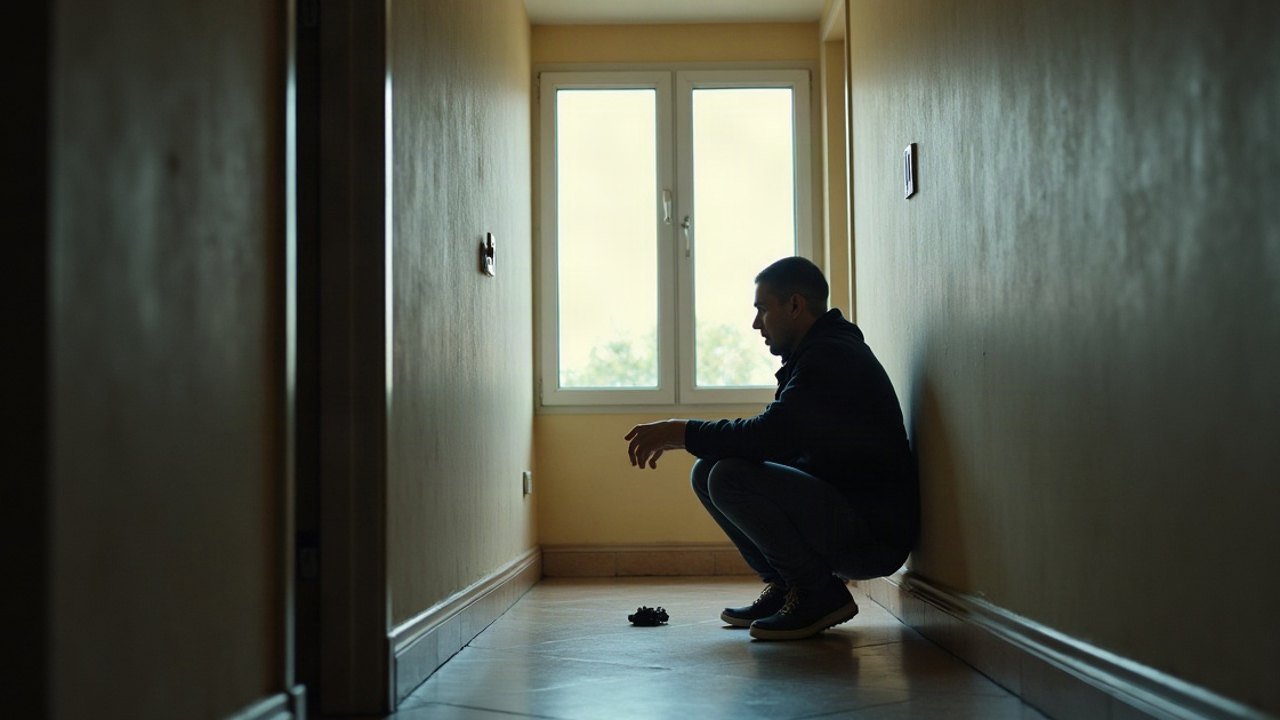
Why windows are an early and often overlooked danger
Blast pressure and debris can break glazing, sending shards into rooms or corridors. Being next to a window also places a person closer to external fragments and exposed walls. An interior area with appropriate substantial walls and fewer openings may offer comparatively better cover when reachable safely.
In Ukraine, the ICRC's work with schools along the contact line included safety information and measures to reduce harm from broken glazing. Those were protective improvements for actual conflict conditions, not a claim that window film or a curtain could make a classroom missile-proof.
Don't stand at the window to identify the direction of a noise, livestream a strike or check whether the street is clear during an attack.
Choose the best safe position available now
| Situation | Possible safer response | Limitation |
|---|---|---|
| Inside a structurally sound building with an accessible designated shelter | Use that shelter and follow local instructions | Its suitability still depends on the hazard and actual condition |
| No designated shelter, immediate attack | Use a nearby interior room, protected corridor or lower area with substantial walls if safe | Not certified for direct hits or structural failure |
| Near exterior glazing | Move away from windows and get low under available cover when safe | Movement may be unsafe if the blast is already occurring |
| Building on fire or structurally failing | Follow relevant immediate escape/responder instructions and avoid hazardous routes | An old shelter plan cannot override the actual danger |
| Outside during active shelling | Take immediate available cover, get low and avoid exposed movement | Open ground and vehicles provide limited protection |
This is a comparison of general principles, not a ranking of actual buildings or a substitute for trained local responders. The right option depends on distance, access, structure and the type of hazard.
When no warning arrives before the attack
A sudden blast or nearby explosions require action more quickly than any checklist can be read. If you are inside, get away from windows where safe and take protective cover as available; if exposed outside, lower your profile and seek the nearest feasible protection rather than moving across open areas to observe.
In its Sudan civilian guidance, the ICRC instructs people under shelling to get low, cover their heads and ears and remain protected until it has stopped. This is a field-informed harm-reduction action, not a guarantee of safety from heavy weapons.
Children and people with limited mobility may not be able to reach a basement quickly. Their safest immediately accessible area must be discussed beforehand with responsible adults and local building operators.
What a safe room should contain
If a location is designated as appropriate for sheltering, its essentials are modest: a working light, access to current warnings, paper contacts, essential medicines and care items, suitable drinking water and basic sanitation where a prolonged stay is possible. It should have appropriate air and access for intended occupants.
A basement is not automatically safe if flooded, full of fumes or structurally unstable. In flats, the building's fire strategy must also be known. Don't block stairwells, communal corridors or exit doors with supplies.
The article Preparing Your Home for Wartime Disruption explains how to assess ordinary buildings. The shelter protection guide addresses fallout radiation specifically; fallout shielding and conventional fragment protection are different questions.
Protecting children without creating panic
Explain the household's response in calm age-appropriate language: which adult helps, where to move, and what to do if they are at school or with carers. Rehearse as a quiet walkthrough, not a staged explosion. A young child should not be responsible for siblings or route choice.
Schools may already have sheltering and safeguarding procedures. During an active attack, travelling through dangerous streets to collect a child may expose everyone to more risk. Follow the institution's current instructions and approved communication plan.
The ICRC's school safety work documented how children were trained to identify threats and reach protective spaces. It also highlighted the danger from unexploded ordnance around schools and routes.
Why the end of the noise is not a safety certificate
After a strike, hazards may include damaged walls, unstable ceilings, fires, broken glass, exposed electrical wires, gas leaks, smoke and unexploded weapons. Other attacks may follow. Do not approach the suspected impact area, touch unfamiliar fragments or treat a moment of quiet as proof that it is safe to leave.
Listen for current authorised instructions. If serious injury or a dangerous building condition demands action, seek emergency assistance through the local service where available. If evacuation is directed, use verified safe routes rather than photographs or rumours circulated online.
What to do about suspicious objects or debris
Explosive remnants can resemble scrap metal, cylinders, wires or harmless-looking objects. Do not pick up, kick, move, dismantle or photograph them at close range. Keep others away and report the location through the appropriate local responder or mine-action channel when safe.
The ICRC's Ukraine civilian information warns explicitly that unfamiliar objects may be explosive. This is as relevant after the visible attack as during it.
How to recognise a safe-to-move decision
Three separate questions matter: has the immediate attack ceased, is the route structurally and environmentally safe, and do current instructions allow the movement? A street may be free of shelling but blocked by damaged buildings; a departure route may lead towards another hazard.
For evacuation, establish a destination with actual capacity, medical access where needed and appropriate documentation. Our wartime civilian evacuation guide explores coordination and alternatives. Do not undertake an unverified “humanitarian corridor” journey simply because a social account names one.
Household preparedness: a quick shelter-access exercise
- Identify the actual warnings that apply to your location and building.
- Find the designated or most practicable safe interior location with another responsible adult.
- Check its access for everyone, including mobility and medical needs.
- Observe windows, exposed walls, exit routes, fire and flooding risks.
- Locate the radio or alert receiver, torch and necessary care supplies.
- Agree a simple child and dependent-person response with backup adults.
- Record what would force a different action and which authority would advise you.
This exercise should never involve starting an alarm, breaking glass, entering a derelict site, or moving people into hazards to test their speed.
Why you should not mistake a missile warning for a nuclear fallout warning
There can be overlap in seeking substantial indoor protection, but blast/fragment hazards and radioactive fallout exposure are not identical. For fallout, a more central or lower position with shielding may be important for a longer period, and the decision to move may be delayed while radiation levels are assessed.
If a nuclear event is actually identified, follow its specific protective directions and see the nuclear attack immediate-actions guide. Neither a generic missile article nor a dramatic headline can decide the appropriate response to all potential weapons.
What the ICRC's field advice means—and doesn't mean
The ICRC provides practical steps developed for civilians under real shelling. Its recommendations can reduce exposure in some circumstances but cannot promise survival or make every basement suitable. The organisation also documents the disproportionate destruction of civilian infrastructure when wide-area explosive weapons are used in populated areas. ICRC analysis of explosive weapons makes those limits clear.
Use the instructions to make quick, grounded decisions. Avoid marketing claims that one improvised bunker, armoured shutter or survival gadget provides universal protection.
What if someone is injured during the attack?
Serious bleeding, difficulty breathing, burns and suspected crush injury can require urgent emergency assistance. If the scene remains dangerous, do not expose yourself or others to a second attack in an unplanned rescue. Once in a safer position, contact the applicable emergency service and follow trained first-aid instructions appropriate to the injury.
For ordinary cuts, basic first-aid supplies and clean dressings may help. For uncontrolled bleeding or a wound with embedded glass or metal, the NHS advises urgent emergency assessment; don't pull out a deeply embedded object yourself. Having a first-aid kit matters less if nobody knows how to obtain help or use it safely.
How to organise a small household room for short sheltering
If there is time before a warning, identify an accessible location for a torch, contacts, radio and necessary personal medicines without cluttering exits. Adults should know which dependant they assist. An infant may need appropriate feeding items, while a person with limited mobility may need a shelter on the same level rather than a basement reached by steep stairs.
During an attack, nobody should search several rooms for a bag if doing so exposes them to the window or outside. The best equipment layout keeps the essentials that are actually needed accessible from an ordinary safe location, and it is reviewed when the household changes.
Frequently asked questions
Where should I go if shelling begins while I'm indoors?
Follow current local instructions and use a suitable reachable protected space such as a designated shelter or substantial interior room, moving away from windows where safe.
Can a normal interior corridor help?
It may reduce exposure to windows and exterior walls compared with an exposed room, but its protection depends on construction, damage and the attack. It is not blast-proof.
Should I leave shelter as soon as explosions stop?
Not automatically. Check for ongoing warnings, damaged structures, dangerous debris and instructions before moving.
What should children do during an attack?
Follow the responsible adults' or school's established emergency procedures, including sheltering and appropriate safeguarding arrangements; do not send children on independent journeys.