A FULL CUPBOARD DOES NOT AUTOMATICALLY MEAN BALANCED, READY-TO-EAT MEALS.
You have crackers, cereal bars and fifteen tins of beans. You've got plenty of food, haven't you? Perhaps enough individual packages—but not necessarily enough varied, usable meals. A cupboard can look full while lacking appropriate protein, satisfying portions, fruit and vegetables, or the ability to prepare food when the electricity and safe tap water are unavailable.
This guide shows how to assemble balanced, shelf-stable meals without cooking, using familiar supermarket foods and a practical portion worksheet. It is different from a basic three-day shopping list: here we concentrate on nutritional function, matching ingredients, working with water restrictions, and using opened packages safely.
The NHS Eatwell Guide describes food groups and balance over a day or week. The USDA emergency pantry guidance recommends ordinary shelf-stable foods and smaller packs to avoid leftovers needing refrigeration. Together, they offer a more useful starting point than counting tins.
What does shelf-stable actually mean?
Shelf-stable food is designed to remain safe unopened at room temperature under its specified storage conditions. Examples include many commercially canned foods, some retort pouches, dry crackers, certain cereals and properly sealed UHT drinks. It does not mean that the food stays safe indefinitely, or that it can always be eaten cold, or that it remains shelf-stable after opening.
The USDA definition distinguishes commercially shelf-stable foods from products that still say 'keep refrigerated'. Always read the specific label, including the storage instruction after opening and whether heating is necessary before consumption.
A bag of uncooked dried beans is shelf-stable, but it isn't a ready-to-eat meal. A sealed rice pouch might already be cooked and suitable for cold consumption if its label permits it; another might require thorough heating. The preparation rule comes from the particular food, not the category's name.
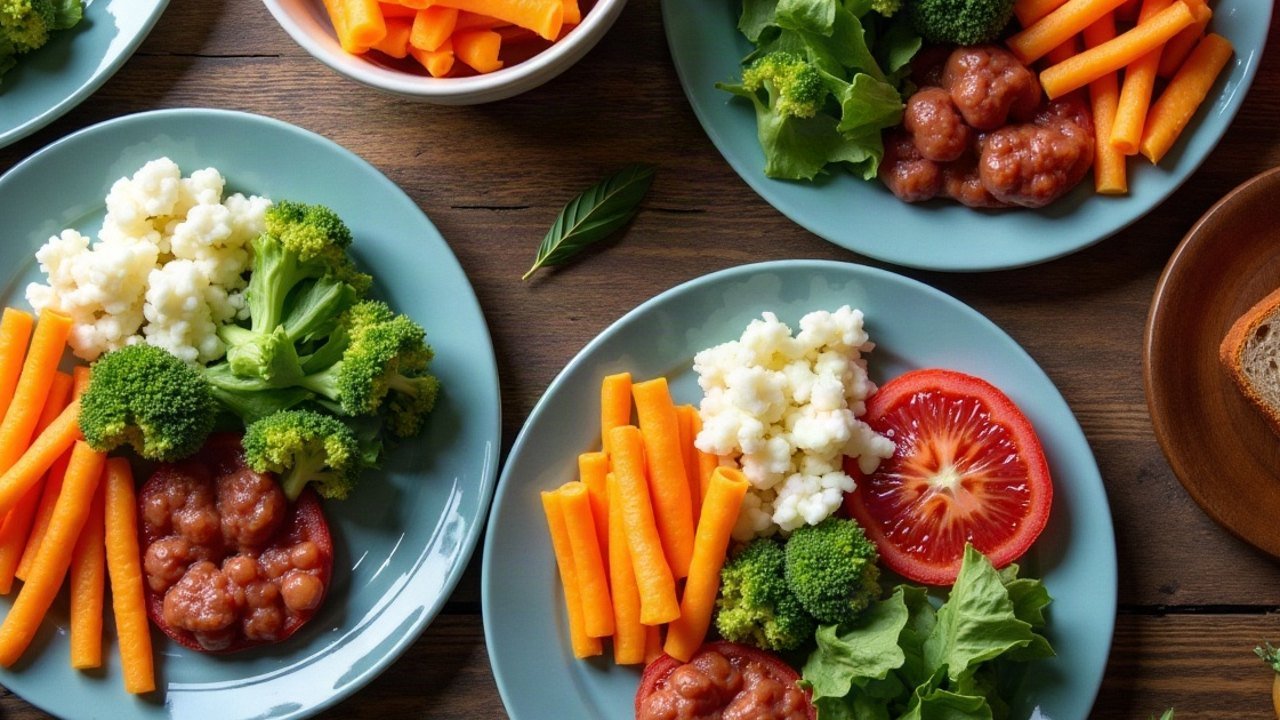
Build each meal from functions, not from a photograph of supplies
For an ordinary adult meal, consider four functions: a substantial source of energy, protein, fruit or vegetables, and a suitable source of fats. That need not mean four products on every plate. A suitable ready-to-eat mixed meal may cover several functions, and the overall balance can be assessed across a day or week rather than forcing every meal into a rigid pattern.
| Function | Potential no-cook ingredient | What needs checking |
|---|---|---|
| Starchy energy | Crispbread, crackers, ready-to-eat wraps, cereal, selected cooked grain pouches | Portion, cold-eating instructions, gluten |
| Protein | Ready-to-eat canned chickpeas, beans, fish or suitable meat alternatives | Allergens, cooking requirement, salt, opened storage |
| Fruit and vegetables | Tinned fruit, vegetables suitable to eat cold, dried fruit | Portion size, added sugar or salt, draining liquid |
| Fats | Nut or seed butter, nuts, suitable oil-based accompaniments | Allergies, pack size, stability after opening |
| Drinks | Known-safe drinking water, appropriate sealed ambient drinks | Hydration needs and refrigeration after opening |
Food choice must also accommodate the individual. A person with diabetes, kidney disease, food allergies or a prescribed diet may need a different balance. An infant's feeding requirements cannot be replaced by a generic adult survival-food list.
The no-heat/no-fridge/no-tap test
Before adding a product to a no-cook emergency menu, ask whether you could use it if there were no hob, no refrigerator and no reliable tap water. These are separate limitations. Food requiring boiled water is not fully independent of heating. A large tin requiring refrigerated storage after opening is inconvenient if you cannot finish it. A powdered drink may need safe water you have not allocated.
Consider three products. A bag of uncooked rice passes the shelf-storage test but fails the no-heat test. A large opened jar of chilled dip fails the no-fridge test. A sealed ready-to-eat lentil pouch that permits cold consumption may pass all three, provided its ingredients suit the person and there is a safe way to serve it.
That doesn't make dry rice or ordinary chilled foods bad products. It simply places them in different parts of the household plan. For the complete no-cook 72-hour list, read our three-day food menu; this article evaluates how to make each meal work nutritionally.
Three complete example meal combinations
These combinations are illustrative meal structures, not standardised portions or clinical diets. Check actual weights and serving labels and add enough food to meet the eater's needs. Every packaged ingredient must be safe to eat without heating.
| Meal style | Components | What it provides | Potential weak point |
|---|---|---|---|
| Chickpea and wrap plate | Ready-to-eat chickpeas, suitable wraps, canned vegetables, seed or nut accompaniment if appropriate | Starch, pulse protein, produce and fat | Large chickpea tin may leave unusable leftovers |
| Fish and crispbread plate | Suitable ready-to-eat tinned fish, crispbread, canned sweetcorn or vegetables, sealed fruit portion | Protein, starch, produce | Fish allergens; serving size and packaging |
| Bean and grain plate | Ready-to-eat beans, a precooked grain pouch explicitly permitting cold use, fruit, compatible spread | Protein, starch, produce, optional fat | Some grain pouches require heating; check the label |
For a person who cannot consume these foods, substitute familiar, allergy-compatible products with similar nutritional functions rather than forcing the recipe. A week's supply of meals based on one disliked ingredient is not a strong plan even if its arithmetic seems adequate.
How to estimate whether a meal is actually substantial
Use the nutrition panel to compare energy and protein per portion instead of judging by package count. If a packet provides two manufacturer servings, check the actual gram weight and whether each is enough for the specific eater. A tiny snack described as one serving may be useful between meals without being a full lunch.
As a hypothetical example, a meal combining two products may list 220kcal and 8g protein in one pack and 300kcal and 12g protein in another. Together they provide 520kcal and 20g protein according to those assumed labels. This arithmetic does not prescribe a target for every person or establish that the meal is nutritionally complete; it simply prevents undersized meals being mistaken for substantial ones.
The NHS recommends considering balance across the day or week. In a disruption, enough appropriate food and safe water matter more than turning every meal into a laboratory exercise.
Build a 24-hour balanced no-cook day
Try one sample day using only ingredients you already own or normally buy. Choose an appropriate cereal or breakfast bar with a suitable ambient-stable drink and fruit for breakfast. For lunch, assemble a ready-to-eat protein and grain combination with vegetables. For dinner, choose a different protein source and starch with fruit or vegetables. Add suitable snacks and drinking water according to individual needs.
Then count the actual unopened packages required, not just the names of the dishes. Some tins can feed two people immediately and are efficient in a shared meal. A different household may need smaller single-person packs to avoid leftovers. If ingredients require a knife, bowl, tin opener or water for cleaning, include those dependencies.
Run the trial without intentionally disconnecting any household utilities. You can simply choose not to use a hob for this one meal; there is no benefit in manufacturing a dangerous disruption for practice.
The opened-packet problem: why small can be more useful than cheap
Unopened food can remain shelf-stable while the same food becomes perishable once the seal is broken. The Food Standards Agency explains that leftover contents of ordinary opened cans should be transferred to a suitable container and refrigerated when not consumed. If no refrigeration is available, choose packs that can be eaten promptly and safely.
Consider two hypothetical purchases: a large tin containing four appropriate servings for a lone adult, and two smaller tins with one serving each. The large tin may cost less per gram but leave three servings that cannot be safely stored after opening. For this scenario the smaller tins can be the better practical value.
Don't keep opened canned beans or fish at room temperature until tomorrow on the assumption that canning protection persists after opening. Packaging and label instructions apply to the opened product too.
Canned versus dried pulses: the hidden cooking requirement
Ready-to-eat commercially canned chickpeas and beans are often a useful no-cook ingredient when the manufacturer permits cold consumption. Dried pulses require an appropriate cooking process, sometimes including soaking and prolonged boiling. Raw or undercooked red kidney beans in particular contain lectins that can cause illness.
The Food Standards Agency specifically warns about raw or undercooked kidney beans and states that commercially canned beans have undergone the necessary processing. A generic label saying “beans” does not mean a dry bag and an already-cooked tin can be used interchangeably during a power cut.
This distinction affects shopping cost too. Dried ingredients may be economical when ordinary cooking is available, but they are not necessarily an independent meal fallback when fuel and safe water are constrained.
What about UHT milk, drinks and meal-replacement products?
Many commercially sealed UHT drinks are stable before opening; after opening they generally need refrigeration according to the label. Smaller cartons may be preferable if nobody can safely finish a large one. Powdered milk requires known-safe water and may not fit a no-water scenario. Drinks should not automatically be counted as replacements for drinking-water needs.
Commercial meal-replacement or nutritional products can be convenient for some individuals, but their ingredients, preparation method, suitability and price vary. People needing clinical nutritional support should follow medical advice rather than replace prescribed products with generic shakes.
If a household includes a baby, use the NHS infant formula guidance; powdered formula has specific hygiene and water-temperature requirements. An ordinary adult no-cook menu is not an infant-feeding solution.
Food safety when the refrigerator stops
A no-cook cupboard should not rely on saving chilled food after days without electricity. Refrigeration duration depends on the appliance, temperature and how often its door is opened. The Food Standards Agency's power-cut advice describes time and temperature precautions for chilled foods; the safe choice may be to discard perishable items that can no longer be kept at the required temperature.
Food that smells acceptable can still contain pathogens. Don't put an opened refrigerated product into a no-power meal because you dislike the idea of wasting it. The cost of a meal is not worth food poisoning, particularly for someone medically vulnerable.
For longer planning, our seven-day food supply guide accounts for the point when chilled and frozen goods can no longer be relied upon.
Water is an ingredient even when cooking is not required
The British Red Cross suggests around 2.5–3 litres of drinking water per person per day as a starting planning figure. Even when foods are ready-to-eat, you'll need water for drinking and sometimes handwashing and cleaning eating utensils. A menu using dry crackers and bars may be particularly unappealing without suitable drinks.
Its October 2026 emergency-kit guidance also emphasises a manual tin opener and familiar food choices. For detailed household quantities, see how much emergency water to store.
Where normal tap water has a boil or do-not-use notice, follow the provider's restriction. A water purifier or generic camping tablet does not automatically make a contaminated source acceptable for food preparation.
Build a four-column shopping worksheet
| Food item | Actual servings available | Usable without power? | After-opening plan |
|---|---|---|---|
| Ready-to-eat lentils | Record label and household portion | Only if cold eating permitted | Finish immediately or refrigerate as instructed |
| Crispbread | Count the number of practical portions | Usually, check the product | Reseal and follow storage guidance |
| Sealed UHT drink | Calculate from carton size | Usually before opening | Choose a size that can be finished safely |
| Dry rice | Count planned cooked servings | No, if no safe cooking method | Not part of the no-cook menu |
| Ready-to-eat tinned fruit | Check serving label | Usually, check the product | Small packs avoid refrigerated leftovers |
Fill this in with the real labels in your cupboard. An item that fails the no-heat test can remain part of your normal pantry, but you should not count it towards an independent no-cook meal until its preparation can be assured.
Three household examples
One adult with limited cupboard space: smaller packs and meals using one protein tin plus a cracker portion may help avoid leftovers. The person should check that all packaging can be opened without special tools or excessive hand strength.
Family with two children: variety, familiar flavours and appropriate ages matter. The adults can plan shared meals that empty containers promptly, while checking allergens and child-specific portions rather than assuming equal serving sizes.
Household with a restricted diet: select only compatible foods and record replacements. Emergency conditions don't make serious allergies optional. If specialist nutrition is medically prescribed, consult the care provider for an appropriate continuity plan.
None of the examples requires purchasing specialist survival-branded food. Ordinary familiar food is often the easiest to rotate and use.
A 20-minute no-cook meal test
- Choose one real meal from your proposed emergency cupboard.
- Identify every ingredient and whether its label permits cold use.
- Calculate appropriate portions for each household member.
- Check that you can open everything without electricity.
- Identify safe drinking water and any water needed for serving or hygiene.
- Work out what happens to each opened package without a refrigerator.
- Eat the meal during normal life and record whether it was satisfactory.
- Replace unsuitable products and rotate everything through ordinary meals.
The result should be a meal that actually works, not a shopping list that merely sounds prepared. Once the basic meals are practical, you can extend the plan to three or seven days without duplicating the same mistake.
Frequently asked questions
What are balanced shelf-stable meals without cooking?
They combine appropriately sized ready-to-eat foods supplying energy, protein, fruit or vegetables and suitable fats, with safe drinking water. Choose familiar foods and check every label for cold-eating and opening instructions.
Is dried rice suitable for a no-cook emergency menu?
Uncooked rice requires safe preparation and cooking. It can be useful in a wider food reserve but should not be counted as ready to eat when heating and water cannot be relied upon.
Can I save half an opened tin for the following day without a fridge?
Not when its label requires refrigeration after opening. Use manageable pack sizes and follow the manufacturer's instructions rather than leaving perishable leftovers at room temperature.
Do I need commercial emergency ration packs for adequate nutrition?
No. Appropriate ordinary supermarket foods can form useful balanced no-cook meals, provided portions, diet, preparation and safety are checked.