IF A HOUSE KEEPS GETTING COLDER, THE RIGHT QUESTION IS WHETHER EVERYONE IS STILL SAFE.
It is a freezing evening and the heating has stopped with the electricity. The living room thermometer is falling, the outside temperature is below zero, and the power network cannot yet tell you when supply will return. A winter blackout can become a health problem before it becomes a food-storage problem. The central decision is not whether you can tolerate a cold room, but whether everyone can remain safe where they are.
This guide focuses on heat loss, warning signs and when another location may be the safer choice. A winter power cut may be caused by storm damage, an equipment fault or other disruption; its cause does not have to be known before you act on the conditions in front of you. If you are concerned about prolonged disruption, the steps below are options for assessing your circumstances—not a prediction that you must expect one.
The Met Office's winter health advice describes 18°C as a sensible target for many homes in cold weather. But there is no universal indoor temperature or number of hours that makes every household safe: people differ in age, health, mobility, clothing and access to warm alternatives.
Why some homes cool much faster than others
When the heating stops, warmth escapes through walls, windows, floors and ventilation. Wind and outside temperature increase the rate of loss, while insulation and thermal mass can slow it. A small well-insulated flat may remain comfortable longer than a detached, draughty house. A south-facing room may also warm in daylight even while the rest of the building becomes colder.
Instead of guessing the rate, take an indoor reading using an ordinary thermometer and note the time. Recheck at a sensible interval and record whether the room is getting colder. A reading by a radiator, window or exterior door may not represent the temperature where people sit or sleep; choose a consistent location away from direct heat or draughts.
Record outdoor weather conditions if you can obtain a reliable forecast. The important pattern is how your actual indoor environment and the people in it are changing, not an arbitrary claim that every house will reach a dangerous temperature after six hours.
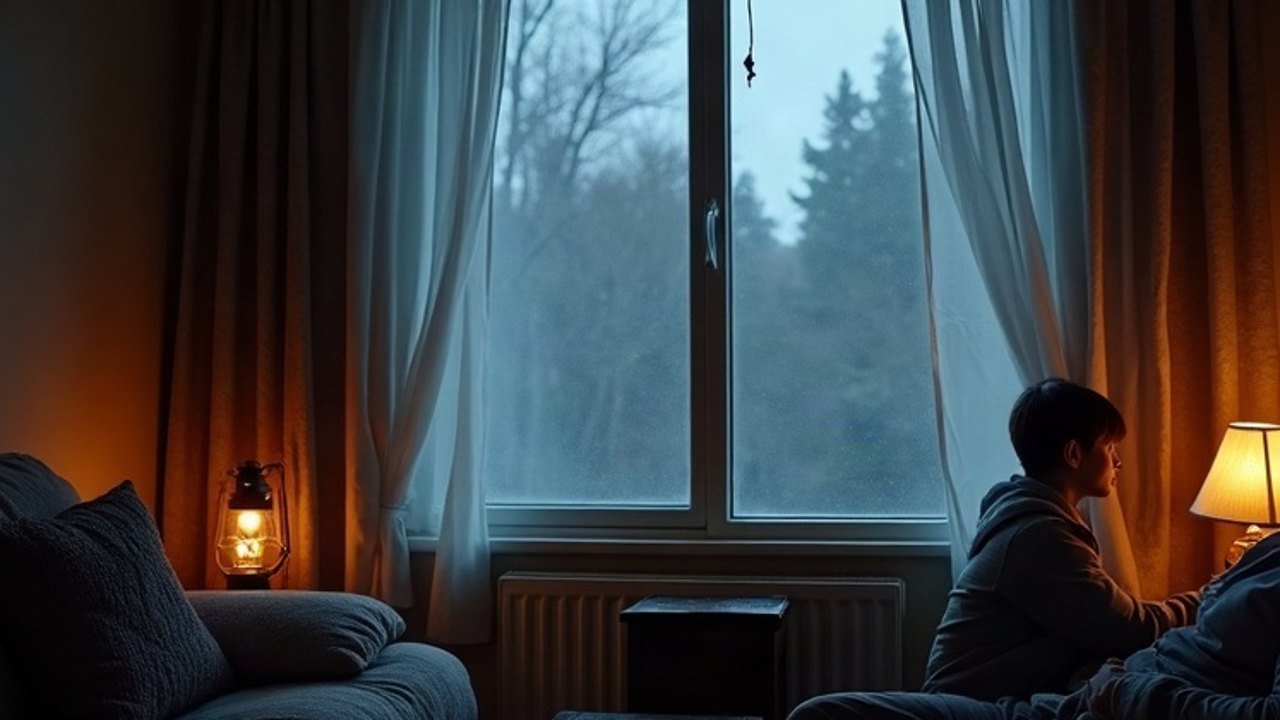
Which household members need an earlier decision?
Older adults, babies, people with limited mobility and people with particular health conditions may be less able to tolerate cold or take steps to warm themselves. A person who cannot move easily may also be unable to find blankets or leave an upstairs flat without a lift. Some families need electricity for medical equipment or medicines requiring controlled storage.
Speak to the relevant clinician or equipment supplier for individual contingencies before an outage if possible. The Energy Networks Association's November 2026 advice explains that eligible people can access extra support through the Priority Services Register. It is a support channel, not a guarantee of uninterrupted electricity.
Do not use a generic 'healthy adult' calculation to decide how long a baby, frail person or medically dependent resident can remain without heat. Their needs may require leaving earlier or obtaining professional advice.
Recognise medical warning signs instead of waiting for a temperature threshold
The NHS defines hypothermia as a dangerous reduction in core body temperature and a medical emergency. Possible signs include shivering, pale or unusually cold skin, slow breathing, tiredness, confusion and slurred speech. A baby may feel cold, be unusually quiet or sleepy, become floppy or refuse to feed.
If you suspect hypothermia, seek emergency medical help. In the UK the NHS advises calling 999 or going to A&E for suspected hypothermia; do not drive yourself if an ambulance or other help is needed. While help arrives, move the person somewhere sheltered, remove wet clothing, wrap them in dry blankets and stay with them. Do not use an intensely hot bath, rub limbs or offer alcohol.
The important point is that a person can be in danger before a household thermometer supplies a neat decision number. Medical symptoms and individual vulnerabilities override any timetable in a general article.
How to retain the heat you already have
Where it is safe to remain, concentrate on retaining warmth without introducing combustion hazards. Close curtains at night, shut internal doors to rooms you are not using and reduce cold draughts where doing so does not interfere with essential ventilation. Move ordinary household activities to a suitable smaller room, keeping exits and access routes clear.
Wear dry layers, socks and a hat where comfortable, and use blankets or sleeping bags. Bedding can reduce heat loss while resting. Keep clothing dry; wet socks or coats can make someone much colder. Check on anybody who struggles to communicate discomfort or cannot rearrange bedding independently.
Do not block permanent vents or flues. If a boiler, gas fire or solid-fuel appliance has a specified ventilation arrangement, leave it functioning as designed. The Met Office's severe-weather guidance recommends warm layered clothing and closing unused rooms while explicitly advising against using an oven or hob to heat a house.
The most dangerous heating improvisations to avoid
Never bring a portable generator, camping stove, barbecue, patio heater or vehicle engine indoors or into an attached garage to keep warm. Opening a window does not make an indoor combustion device safe. Exhaust may also enter through nearby doors, windows and vents. Fuel-burning appliances can produce carbon monoxide (CO), which has no smell or colour and can cause serious illness or death.
According to the NHS, symptoms may include headache, dizziness, nausea, weakness, confusion and breathlessness. If you suspect exposure, stop using the appliance if safe, move into fresh air and seek prompt medical advice. Call 999 for severe symptoms such as confusion, breathing difficulty or loss of consciousness.
RoSPA's practical camping-safety guidance makes the same point about enclosed spaces: a stove or even a still-warm barbecue can produce deadly CO. A carbon monoxide alarm is valuable, but it is not permission to use unsafe appliances indoors.
Can a fireplace or wood-burning stove help?
A correctly installed, maintained and ventilated appliance that is designed to operate without mains power may provide warmth in some homes. Follow its manufacturer's instructions, confirm it is safe for blackout operation and ensure the flue and chimney have been maintained. Avoid trying to use a decorative fireplace, blocked chimney or improvised indoor burn container.
Gas central heating often needs electricity for controls and pumps, so do not assume a gas supply automatically means the heating works. Some solid-fuel systems also rely on pumps or safety controls. If in doubt, contact a qualified heating engineer while normal services are available. The Met Office's heating safety advice covers chimney maintenance, guards and appropriate appliance use.
A hot-water bottle prepared before a cut may be useful for ordinary comfort, but never place a dangerously hot item against a person's skin or use unsuitable products for infants or people with reduced sensation. If someone may already have hypothermia, follow the NHS's medical instructions rather than improvising aggressive reheating.
A realistic 'stay or move' decision table
| What you observe | Possible meaning | Reasonable next step |
|---|---|---|
| Room getting cooler, people comfortable and alert | Heat loss is occurring but immediate danger is not established | Layer clothing; continue monitoring conditions and operator updates |
| Child, older adult or medically vulnerable person becoming cold or unwell | Individual tolerance may be reduced | Seek appropriate medical advice and consider a warmer suitable location promptly |
| Confusion, slurred speech, slow breathing or suspected hypothermia | Potential medical emergency | Call emergency services and follow NHS instructions |
| CO alarm sounding or symptoms near a fuel-burning device | Possible carbon monoxide exposure | Get to fresh air, avoid re-entry and seek urgent help |
| No confirmed restoration time and home cannot remain safely warm | Risk may increase if the outage continues | Identify verified safe, warm accommodation and transport |
| Roads icy, flooded or blocked | Travel may have its own serious risks | Seek local assistance and a safer route rather than setting off blindly |
These are decision prompts, not a clinical scoring tool. A household with a ventilator, oxygen concentrator or other life-support equipment must follow its individual emergency care plan, including contacting emergency services when required.
Make sure the destination is actually safer
Moving only helps if the destination is reachable, warm and suitable. Before setting out, where practical, verify the address has electricity, heating, access and space for necessary care. Consider the route, weather forecast, public transport and mobility needs. Do not assume a nearby hotel, supermarket or community centre is open or powered during a regional outage.
Take essential medication, relevant documents, glasses and mobility aids. If time and safety permit, secure the home and tell a trusted person where you are going. In a severe incident, follow verified instructions from emergency services, especially where roads or local infrastructure have been damaged.
If the electricity network operator is providing an estimated restoration time, treat it as useful information, not a promise worth endangering someone to wait for. A family member's condition can justify leaving before the forecast changes.
What about food, hot drinks and the freezer?
Staying warm is important, but a meal should not create a new hazard. Avoid gas camping equipment indoors. Use shelf-stable food that is safe to eat cold, and keep fridge and freezer doors closed to conserve their temperature. The Food Standards Agency's power-cut guidance provides estimated cold-holding times and advises temperature checks for perishable foods.
People who depend on chilled medication need advice from their pharmacist or clinical provider about the specific medicine, rather than applying food-storage timings to it. A refrigerator thermometer can help document the conditions, but individual medicines have their own storage requirements.
Keep children and pets safe in a dark, cold home
Put a battery lantern where adults can find it and clear trip hazards from stairs and hallways. Keep candles, if used at all, away from fabric and children, but favour battery lighting. Explain to children what is happening in simple terms without inventing predictions or causes. An ordinary bedtime routine with extra blankets and familiar objects may be more reassuring than a dramatic story about the outage.
Pets also need warmth and drinking water. Check whether an aquarium, terrarium or other enclosure relies on powered heating or filtration; animal welfare needs vary substantially by species. Ask an appropriate veterinary professional about safe contingency arrangements for animals needing controlled temperatures. Never heat an enclosure with improvised combustible equipment.
Prepare to make the decision before the next winter storm
When the weather is calm and electricity is available, identify who could offer a warm place, whether your transport would work, and which medical or accessibility needs might make evacuation harder. Check the network operator and Priority Services Register information. Test torches and power banks in an ordinary way.
The goal is to reduce the number of decisions you would have to invent while tired and cold. Our before-the-outage checklist covers the broader household equipment audit, while the prolonged power outage article covers water, communications and food over multiple days.
A household cold-weather decision rehearsal
- Name the people at greatest risk. List health needs, transport constraints and equipment that requires electricity.
- Measure a normal room temperature. Identify where a thermometer should be placed for consistent readings.
- Choose safe warmth options. Find dry layers, bedding and rooms that can be used without blocking required ventilation.
- Identify two possible destinations. Confirm that they are appropriate, reachable and not dependent on an untested assumption.
- Assign a decision owner. Who will contact the care provider, network operator or family member if conditions worsen?
- Write down an early escalation sign. For example, the first signs of someone becoming unwell, rather than waiting until an arbitrary hour on a clock.
Do not deliberately chill the home or expose anyone to cold as an exercise. This is a paper rehearsal and simple information check. Actual decisions during an outage should respond to the immediate conditions and professional guidance.
Frequently asked questions
How cold is too cold inside during a power cut?
There is no universal safe indoor temperature for everybody. About 18°C is a general cold-weather heating benchmark, but health needs, age and symptoms matter. Seek medical advice for vulnerable residents or concerning signs rather than waiting for a fixed threshold.
Should I stay at home or go somewhere warmer?
Compare the safety of the present home with the safety and accessibility of a confirmed alternative. If you cannot keep someone safely warm or essential medical support is threatened, seek help or move to a suitable location as circumstances allow.
Can I use an oven to heat a room?
No. Ovens and hobs are not designed to heat homes, and fuel-burning devices may cause carbon monoxide poisoning. Use safe clothing and bedding, approved heating options and another location when necessary.
What are warning signs of hypothermia?
Possible signs include shivering, cold skin, slurred speech, slow breathing, tiredness and confusion; infants may appear unusually quiet or floppy. The NHS treats suspected hypothermia as a medical emergency.