WHEN THE OUTAGE LASTS, THE MOST IMPORTANT DECISION CAN CHANGE HOUR BY HOUR.
The lights went out yesterday, and they have not returned. Your phone is losing charge, the house is getting colder, and somebody asks whether to open the freezer to see what is left. A prolonged power outage becomes less about finding a torch and more about managing changing conditions: safe temperature, drinking water, food, information, care needs and the decision to stay or move.
Power cuts can result from storms, equipment faults, planned work and other causes. A future disruptive cyber event is one possibility that concerns some readers, but the presence of a blackout does not prove an AI attack or any other specific cause. This guide explains how to live through a prolonged outage at home and how to assess when staying is no longer sensible for your circumstances. It is guidance you can use if the need arises, not a prediction that it will.
The British Red Cross updated its power-cut advice in October 2026. Its practical priorities—information, lighting, warmth and support for others—make a useful starting point. What changes as the hours pass is which problem becomes urgent first.
Confirm the scope and expected duration before deciding anything major
Check whether the problem is just your property or affects the neighbourhood. If other homes have power, look at your consumer unit only if it is safe and you understand the controls. A repeated trip, damaged wiring, burning smell, exposed cable or flooding near electrical equipment is a reason to stop and seek an electrician or emergency help rather than attempting a repair.
If several homes are affected, use your electricity network operator's verified fault map or support line. In England, Scotland and Wales, 105 connects you to the local distribution network operator; the number differs in Northern Ireland. The National Grid Electricity Distribution reporting service explains how network operators identify local incidents and provide updates.
Do not treat an estimated restoration time as a promise. It may change after crews locate damage or discover a wider fault. Note the time the power failed, the most recent verified update and when you will check again. That gives you a basis for decisions without exhausting your phone battery.
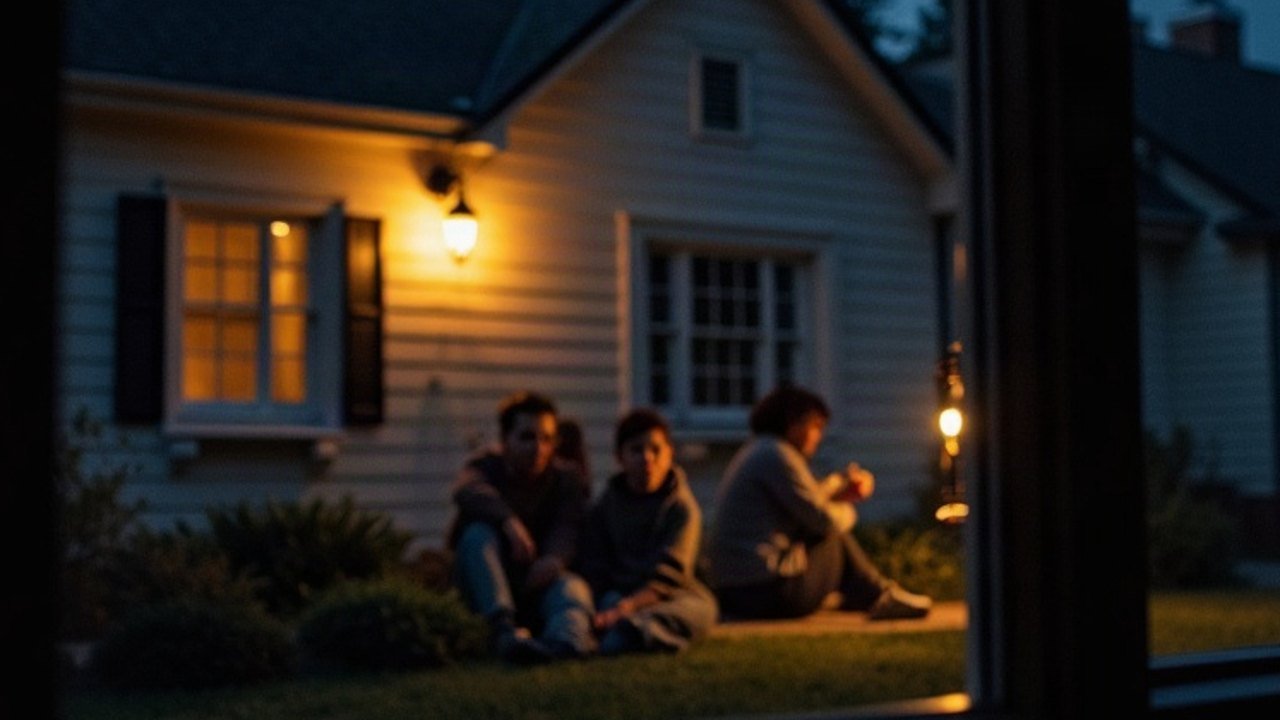
Different durations create different problems
| Stage | Primary concern | Decision to revisit |
|---|---|---|
| First hour | Immediate safety, checking the fault, lighting, essential power needs | Is there a danger requiring help now? |
| Hours 1–4 | Phone power, heating, communication, food temperatures | Which essentials will be affected if the outage continues? |
| Hours 4–12 | Refrigerated food safety, warmth, care equipment, household routines | Is the home still safe and suitable to occupy? |
| Overnight | Temperature, safe lighting, vulnerable household members, updates | Is another location safer tonight? |
| Day two or longer | Water, sanitation, food, transport, information and wellbeing | Can the household sustain basic needs without unsafe improvisation? |
These are planning stages, not fixed medical or food-safety deadlines. Conditions vary by season, building, health needs, appliance insulation and whether other services remain available. Our separate first-hour blackout guide covers the initial decision sequence in more detail.
Keep communication power for essential use
A phone may be your route to electricity updates, friends, medical support and emergency services. Reduce unnecessary screen use, switch off unneeded applications, lower brightness and use battery-saving features where practical. If you have a power bank, decide which devices it should support rather than plugging in everything.
Cell towers and home broadband equipment may themselves be affected by electricity failures. A charged phone does not guarantee service. Keep important telephone numbers written down and identify a battery-powered radio or another source of local updates if one is available. If a family member has a critical medical device dependent on power, contact their healthcare provider and equipment supplier for an individual backup plan rather than estimating how long it will run.
For readers concerned about multiple digital services failing together, our household cyber-disruption continuity guide explains how to map independent communication and payment routes.
Manage indoor temperature rather than just adding blankets
The building will change temperature depending on outside weather, insulation, wind and remaining heating systems. Where heating has stopped, close curtains, reduce draughts that can safely be reduced, shut unused internal doors and concentrate ordinary activity in a suitable room. Wear multiple dry layers and use bedding or sleeping bags you already own.
Keep ventilation required for safe appliances and air quality. Never seal vents designed for gas appliances or block required flues. Avoid inventing new heat sources. Never use a charcoal barbecue, camping stove, portable generator or a car engine indoors, in a garage, under an open window or in any enclosed/partly enclosed space. Carbon monoxide cannot be detected by smell and can be deadly. The NHS explains symptoms and urgent actions.
Some homes have a professionally installed solid-fuel stove or a suitable heating system that can run safely without mains electricity. Follow its operating and ventilation instructions; do not assume every boiler or stove works without power. The Met Office recommends warm layers, closing unused rooms and checking people who may need help.
Decide when to move to a warmer, safer place
The choice to remain in a dark house is not a test of toughness. You may need another location if the indoor environment cannot be kept safe, if someone becomes unwell, if essential medical equipment stops working, or if you cannot obtain reliable drinking water and food. A nearby relative, officially designated support site or other appropriate accommodation may be an option, depending on local access and conditions.
Plan around real circumstances: Can you travel safely? Are roads affected by the same storm? Is the destination actually powered? Can you bring necessary medication and mobility aids? If a child, older person or somebody with a health condition is showing concerning symptoms, seek medical guidance promptly. For possible hypothermia, the NHS advises urgent medical assessment, particularly for confusion, slurred speech, abnormal breathing or a cold, floppy baby.
Cold-related risk deserves its own judgement, so the winter power outage guide examines heat loss, health warning signs and the stay-or-leave decision in depth.
Protect food without repeatedly opening the fridge
Keep refrigerator and freezer doors closed whenever possible. The UK Food Standards Agency's power-cut food-safety guidance gives a useful estimate: an unopened fridge may stay sufficiently cold for around four hours, while a full freezer may remain frozen for up to 48 hours, or around 24 hours if half full. These are estimates, not guarantees; temperature, door openings and appliance condition change outcomes.
Use a refrigerator thermometer if available, especially for highly perishable foods. The FSA describes what to do if temperatures rise and notes that people more likely to become seriously ill from food poisoning need extra caution. Don't rely on smell or appearance to decide whether risky refrigerated food is safe. If you cannot verify the safety of perishable food, seek local food-safety advice and discard it where appropriate.
During extended outages, plan to use safely stored perishable food first if it remains within safe temperature limits, while keeping shelf-stable food for later. Never use an indoor barbecue or camping stove as a cooking workaround. A cold meal made from shelf-stable food is preferable to a preventable fire or carbon monoxide emergency.
Check whether water and sanitation still work
Tap water may continue during a power cut, but some buildings and water systems depend on electrical pumps. High-rise properties, private wells and certain heating or pressure systems may behave differently. If pressure becomes low, keep drinking-water containers protected and check the water supplier's verified notices before assuming the water is safe or unsafe.
If the supplier issues a boil-water or do-not-use notice, follow that specific instruction. Boiling treats many microorganisms but does not remove chemical contamination. Do not improvise treatment using unknown household chemicals or assume that visually clear water is safe. Our later water-treatment articles will cover the distinct methods and limits; for now, prioritise known safe sources and current supplier guidance.
If toilets are no longer flushing due to a water or pumping problem, avoid repeated flushing that may overflow the system. Contact building management or the water provider for accurate instructions. Hand hygiene remains important; use soap and safe water where available, and suitable sanitiser when washing is not possible.
Use a careful routine when the outage extends overnight
- Before dark: collect safe battery lighting, extra clothing, medicines and water in a familiar place. Check exits and hazards without creating new trip risks.
- Before sleeping: decide whether indoor temperature and household health needs make staying appropriate; identify the next possible check-in.
- During the night: keep paths to the toilet and exits clear. Avoid unattended flames and unsafe heating devices. Use torches instead of candles where possible.
- At first light: reassess food, water, heating, phone charge and verified restoration updates. Check vulnerable neighbours where safe.
- Each later day: make a fresh decision based on remaining essential supplies, medical needs and the actual situation outside.
For a home with children, pets, or a person needing care, assign specific tasks rather than assuming the most capable adult will remember everything while tired. Record medications and appointments that could be affected. A regular check-in time helps relatives understand when to escalate concern if they cannot reach you.
Protect electrical equipment when supply returns
Switch off equipment that could become dangerous if power returns unexpectedly: ovens, irons and electric heaters. It can be useful to leave a single light on so you can see when electricity resumes. Unplug sensitive electronics where appropriate and follow appliance manufacturer's instructions.
When power comes back, do not immediately plug in everything. Check that the supply is stable, inspect for damaged appliances, and follow provider advice if there is flooding or electrical damage. If your consumer unit trips again, avoid repeated resetting and contact a qualified electrician. Only use professionally installed arrangements for connecting a generator to household wiring—never backfeed through a socket.
The network operator's practical advice includes checking trip switches where safe, protecting electronics and reporting faults.
A stay-or-leave decision matrix
| Question | Staying may be reasonable if… | Seek another option if… |
|---|---|---|
| Can everyone remain safely warm? | There is adequate clothing, bedding and no concerning symptoms | Somebody is becoming ill or the home cannot maintain a safe environment |
| Are essential care needs met? | Power-independent needs and clinically agreed backups remain available | Essential medical support is at risk or the planned backup has failed |
| Is water available? | You have sufficient known safe water and usable sanitation | Supply is unsafe, inaccessible or insufficient with no reliable alternative |
| Can you communicate? | Someone knows your location and you have a functioning contact route | Isolation compounds another urgent safety problem |
| Is travel safer? | Roads and destination are verified safe and suitable | Storm, flood or other conditions make moving more dangerous |
There is no single number of hours after which everybody should leave home. The right decision depends on people, building, weather, location and available support. If life or health is in immediate danger, contact emergency services using the relevant local number rather than waiting for an article's timetable.
How to learn something useful from an outage
Once services are restored and the household is safe, write down what actually became difficult. Perhaps the battery radio could not receive local broadcasts, the power bank had the wrong cable or the freezer thermometer was missing. Fix the two most consequential gaps first.
Keep the lessons practical. An outage does not establish a prediction about AI or global infrastructure collapse. If concern about more serious future disruption motivates you to explore backup options, test them against the problems your household really faced. Our power-outage preparation checklist covers what to organise while the electricity is working.
Frequently asked questions
How long can I stay at home without electricity?
There is no universal safe duration. Assess temperature, medical needs, food, water, sanitation, communications, and whether travelling to another suitable location is safer.
How long will food stay safe in a fridge during a blackout?
An unopened fridge may remain sufficiently cold for about four hours, according to the UK Food Standards Agency, but this is an estimate. Follow its detailed temperature-based guidance and take extra care with perishable foods.
Should I use a camping stove indoors if there is no electricity?
No. Camping stoves and barbecues used indoors or in enclosed spaces create carbon monoxide and fire risks. Use food that can be eaten safely without cooking or a properly safe outdoor arrangement where suitable.
Who do I call for a power cut in Great Britain?
Call 105 in England, Scotland and Wales to reach the local electricity distribution network operator. Use the appropriate operator or local emergency contact outside those areas.